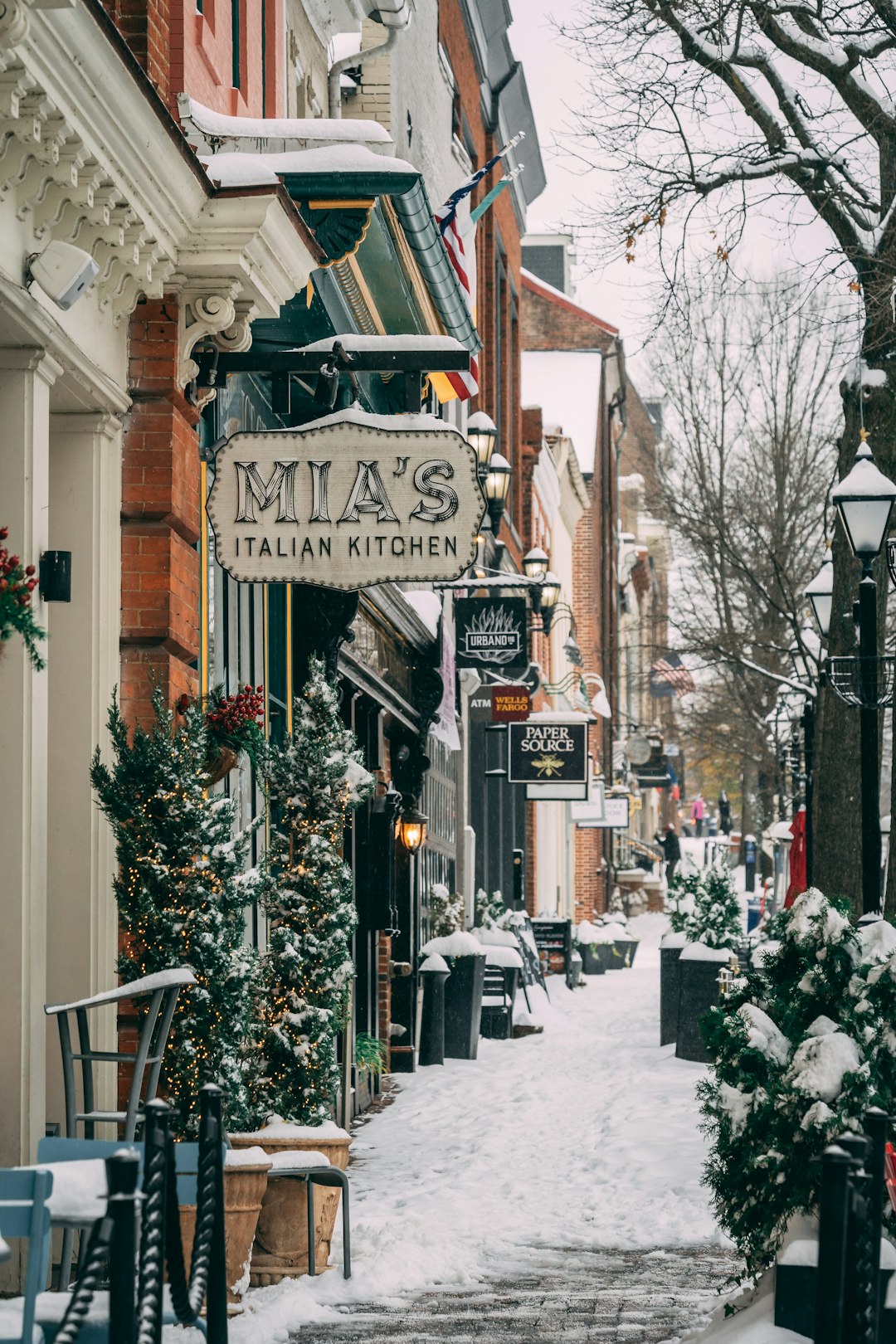
Keep the day inside one town-centered cluster when weather is unstable.
Quick planning note
- Keep the day inside one town-centered cluster when weather is unstable.
- Trade scenic driving for compact indoor browsing and meals.
- Use one reservation anchor to prevent decision drift.
- Treat breaks in the weather as bonuses, not the core plan.

Quick Answer
When rain changes the day, do not try to preserve the original outdoor itinerary stop for stop. Rebuild the plan around one compact indoor area, one anchor reservation, and one flexible browsing or coffee window.
The goal is not to pretend the weather did not happen. The goal is to keep the day coherent.
Rebuild The Day Fast
A good rainy-day rewrite has three parts:
- One anchor stop you know is worth the drive.
- One meal or cafe window nearby.
- One optional indoor backup within the same area.
That is enough structure to save the day without overcommitting to conditions you cannot control.
Stay In One Cluster
Rain amplifies every bad routing decision. Parking feels worse, walking between stops feels longer, and driving to a second distant cluster is rarely worth it.
If the weather is inconsistent, staying inside one town-centered zone is almost always the smarter move.
Choose The Right Anchor
The best rainy-day anchor is something that gives the day identity. It might be a tasting room with indoor seating, a museum-style stop, or a restaurant you would have wanted to try anyway.
Without that anchor, the day turns into indecisive weather avoidance.
Use Meals Strategically
On a rainy day, food timing matters more because it gives the plan shape. A good lunch or early dinner stop can absorb weather delays and keep the group from making poor last-minute choices out of frustration.
When To Quit Early
There is no prize for dragging a bad-weather itinerary past the point of enjoyment. If the group is wet, tired, and out of options, ending early is often the best decision.
A clean half-day is better than a miserable forced full day.
FAQ
Can Loudoun still be worth visiting in bad weather?
Yes, if you switch from scenic abundance to compact, practical planning.
Should you keep outdoor reservations?
Only if the venue has a credible indoor version of the experience.
What is the biggest rainy-day mistake?
Trying to preserve too many stops from the original itinerary after the conditions have already changed.
Before you go
- Use the route shape as the default, then trim stops instead of adding extras.
- Validate critical hours and reservation requirements directly with venues.
- Weather, traffic, and seasonal demand can change timing faster than destination quality.